Dog Poop Bag Guide 2026: Cleaner Yards, Healthier Pets
A reliable Dog poop bag is the smallest tool in your cleanup routine, yet it does the heaviest lifting. Every dog owner faces the same daily task, and how you handle it decides whether your yard stays fresh or turns into a health hazard. In 2026, pet parents and property managers care more than ever about clean outdoor spaces, and the humble waste bag sits at the center of that effort.
This guide walks you through choosing the right bags, pairing them with the right tools, and building a cleanup habit that protects your family, your neighbors, and your lawn. Let us make waste pickup simple, quick, and genuinely hygienic.
Why the Right Dog Poop Bag Matters More Than You Think
Dog waste is not just unpleasant. It carries bacteria and parasites that linger in soil for months. The U.S. Environmental Protection Agency classifies pet waste as a source of nutrient pollution that can wash into storm drains and local waterways. A thin bag that tears or leaks defeats the whole purpose of picking up in the first place.
Strong, leak-proof bags keep your hands clean and keep contaminants contained. That single upgrade improves your entire cleanup experience.
What Makes a Bag Actually Reliable?
- Thickness: Look for bags rated at least 15 microns so they resist punctures.
- Size: Roomy bags let you tie a secure knot without touching anything unpleasant.
- Grip: Textured or easy-open designs save time on cold mornings.
- Odor control: Scented liners reduce smell during transport to the bin.
Choosing the Best Dog Poop Bag for Your Routine
Not every household needs the same bag. A city apartment owner walking one small dog has different needs than a suburban family with two large breeds. Match your bag to your lifestyle and you will never dread the task again.
| Use Case | Recommended Bag Type | Why It Works |
|---|---|---|
| Daily walks | Compact rolls with dispenser | Clip to the leash, always ready |
| Large dogs | Extra-large, thick bags | More capacity, fewer leaks |
| Backyard cleanup | Heavy-duty bags plus a scooper | Handles multiple piles at once |
| Multi-pet homes | Bulk rolls, high count | Cost-effective for frequent use |
When your yard collects several days of waste, a bag alone is not enough. Pairing it with a proper tool changes everything.
Pair Your Bags With a Quality Scooper
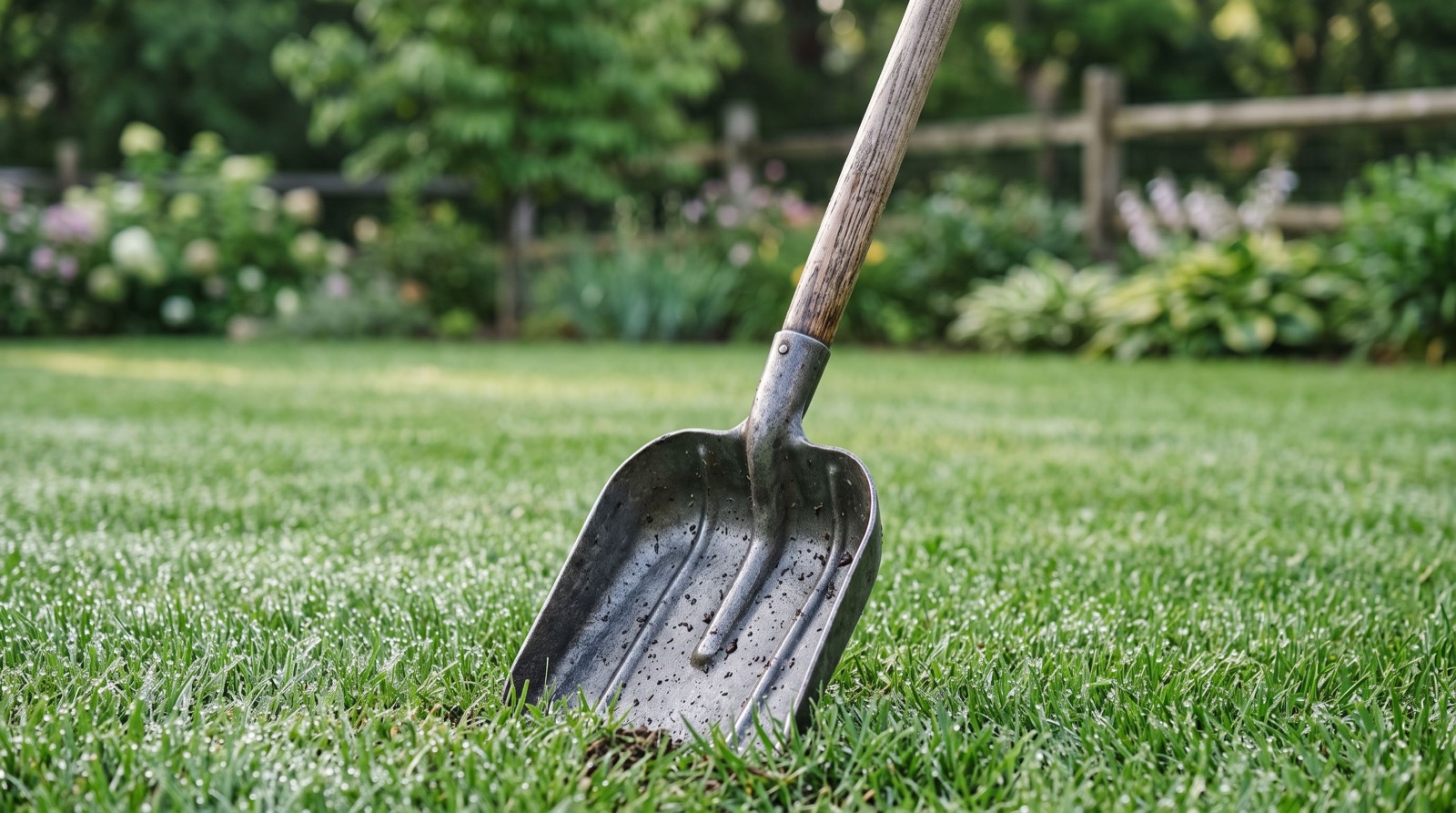
Bending over for every pickup strains your back and slows you down. A dedicated scooper lets you stand upright and clear a whole yard in minutes. If you have searched for a Pooper scooper near me, you already know convenience matters. The best tools drop waste straight into a lined bag with no mess.
This pairing is the backbone of an efficient system. Bag plus scooper equals a cleanup that takes seconds instead of minutes.
Step-by-Step: A Faster Yard Cleanup
- Line your scooper or bin with a heavy-duty bag before you start.
- Walk the yard in a grid so you miss nothing.
- Scoop each pile directly into the lined bag.
- Tie the bag tightly and dispose of it in a sealed bin.
- Rinse tools and store them dry to prevent odor buildup.
Health Risks You Cannot Ignore
Uncollected dog waste is more than an eyesore. According to the U.S. Centers for Disease Control and Prevention, roundworms and hookworms found in dog waste can infect humans, especially children who play in contaminated soil. Prompt pickup with a sturdy bag breaks that chain of transmission.
Property managers who neglect waste face complaints, fines, and unhappy tenants. Homeowners who let it pile up risk pests and lawn damage. Consistent cleanup protects everyone.
Eco-Friendly Disposal in 2026
Many owners now ask whether their bags harm the planet. The answer depends on the material and how you dispose of them. Look for oxo-biodegradable or plant-based options where your local waste system supports them. Always check your municipality’s guidance, because flushing or composting pet waste is not safe everywhere.
- Never toss loose waste into storm drains.
- Double-bag if your outdoor bin sits in the sun.
- Use a designated pet waste station for shared spaces.
For larger properties, HOAs, and dog parks, installing waste stations dramatically raises compliance. When bags and bins are within reach, people actually use them. If you need help sourcing durable supplies, look for quality service providers who understand outdoor hygiene at scale.
Storing and Dispensing Bags Efficiently
How you store your bags affects how consistently you use them. A roll buried in a drawer gets forgotten, while a dispenser clipped to the leash is always within reach. The easier access is, the more reliably you pick up.
Keep a small supply in several locations so you are never caught empty-handed. A stash by the front door, one in the car, and one clipped to the leash covers almost every situation. Many owners also keep a backup roll in a jacket pocket for unexpected moments during a walk.
For yards, mount a wall dispenser near the door leading outside. This turns cleanup into a grab-and-go task rather than a hunt for supplies. When the tool and bag live together in one spot, the whole routine speeds up dramatically and you stay ahead of buildup.
Common Mistakes to Avoid With Waste Bags
Even experienced owners slip into habits that undermine clean cleanup. Recognizing these mistakes helps you fix them fast and keep your routine hygienic.
- Reusing thin bags: Stretched, thin plastic tears and leaks.
- Loose knots: A weak tie lets odor and liquid escape in the bin.
- Leaving bags in the sun: Heat speeds odor and weakens plastic.
- Tossing waste in storm drains: This pollutes local waterways directly.
Fixing these small errors makes a noticeable difference. A thick bag, a firm knot, and shaded storage keep your cleanup clean from start to finish. These habits also protect your neighbors and the environment from avoidable contamination.
Frequently Asked Questions
Are dog poop bags actually waterproof?
Quality bags are leak-resistant rather than fully waterproof. A thicker bag with a secure knot keeps liquid and odor contained during your walk and disposal.
How many dog poop bags do I really need per month?
A single dog on two daily walks uses roughly 60 bags a month. Multi-pet homes and yard cleanups need far more, so bulk rolls save money and prevent last-minute shortages.
Can I flush dog waste instead of bagging it?
Most municipalities advise against flushing because it can overload septic and sewer systems. Bagging and binning remains the safest, most reliable method for the average household.
What is the best way to control odor?
Choose scented, thick bags, tie them immediately, and empty your outdoor bin often. Storing full bags in direct sun accelerates smell, so keep them shaded until pickup day.
Conclusion
The right dog poop bag turns a dreaded chore into a quick, hygienic habit. Match your bag to your routine, pair it with a solid scooper, and follow safe disposal steps to keep your yard and family healthy in 2026. Small upgrades deliver big results, so stock quality supplies today and never fight a torn bag again.